

Tel:13023731921 (Mr. Hu)
Landline:+86-574-86360282
E-mail:1446318417@qq.com
Add:No.219 Dongsheng Road Economic Development zone Zhenhai Ningbo China
A hydraulic circuit refers to the combination of hydraulic components designed to achieve a specific function. When hydraulic circuits are configured according to given purposes and specified requirements, they are termed hydraulic systems. A hydraulic system typically comprises three functional sections and auxiliary equipment.
Power Section:Hydraulic pump: Converts mechanical energy into hydraulic pressure energy; occasionally, accumulators are used as emergency or auxiliary power sources.
Control Section:Various control valves for pressure, flow, direction, etc., are employed to regulate the speed, direction, and force of actuators, as well as to enable overload protection, sequential control, and other functions.
Actuation Section:Hydraulic cylinders, hydraulic motors, etc., convert hydraulic pressure energy into mechanical energy.
Auxiliary Equipment:Pipes, accumulators, filters, oil tanks, coolers, heaters, pressure gauges, flow meters, etc.
液压系统按液流循环系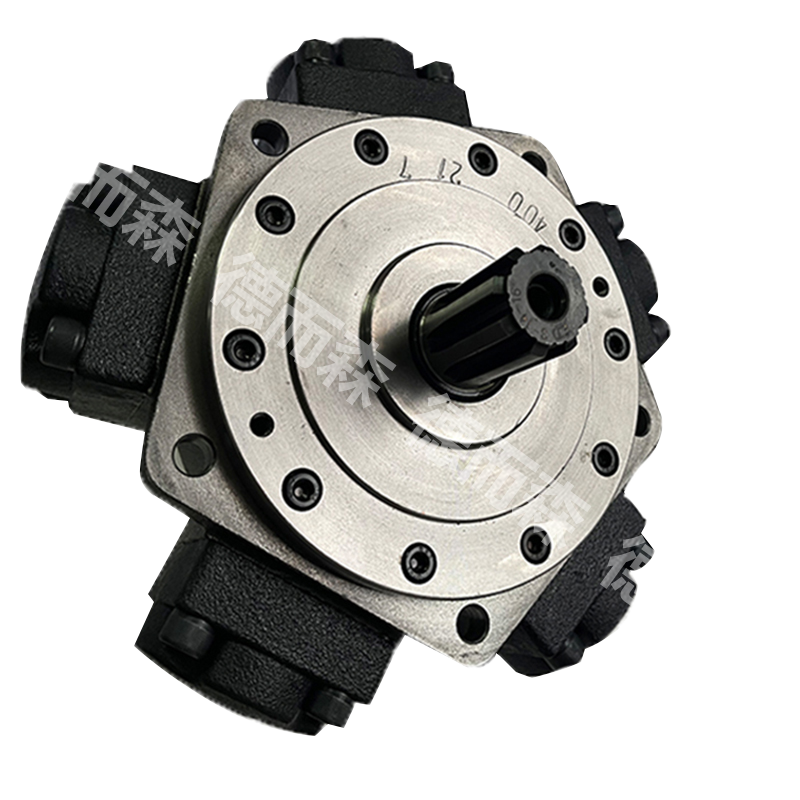 统方法可分离式系统和闭试系统两类。闭试系统的特性:泵从油箱吸油输入管道,油进行工作中后座回油箱,优势是构造简易,排热、前提标准好,运用较广泛。缺陷是油箱体积大,气体和油触碰的时机多,非常容易渗透到。
闭试系统的特性:泵的吸、排油口同时与液压实行元件的进、冒油口相接,产生1个闭合循环系统。为了更好地补偿泄漏损失,通常是需要1个协助补偿油泵和油箱。这类系统的优势是油箱体积不大,结构紧凑,气体进到油液的时机少。缺陷是系统结构繁杂,排热标准差,并规定有较高的过滤精度,故运用较少。





